
MORE ABOUT ME
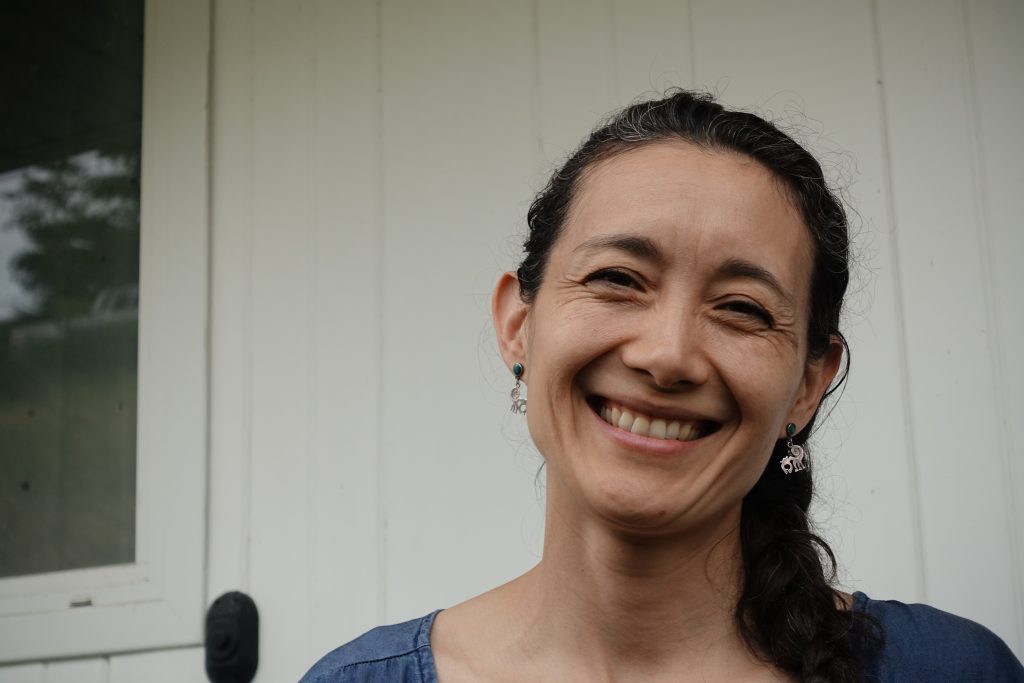
- Your ‘why’ – what drew you to therapy – this doesn’t have to be your own struggles, but might be for example you realised everyone leaned on you for advice as you are so supportive, or you realised no-one specifically helps binge eating men, so you had to fill that gap
- Relevant personal insights (while maintaining boundaries)
- Professional journey highlights
- Specific moment that shaped your approach
- Connection between your experience and client needs
Present as benefits to clients:
- Degrees and certifications
- Specialised training
- Relevant experience
- Continuing education
- Professional memberships
- Example:
- ✓ “My training in CBT means I can help you develop practical tools for managing anxiety in your daily life.”
- ✗ “I have a Master’s degree in Clinical Psychology and am certified in CBT.”
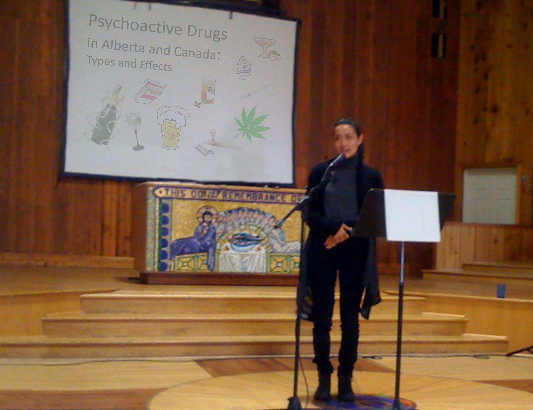

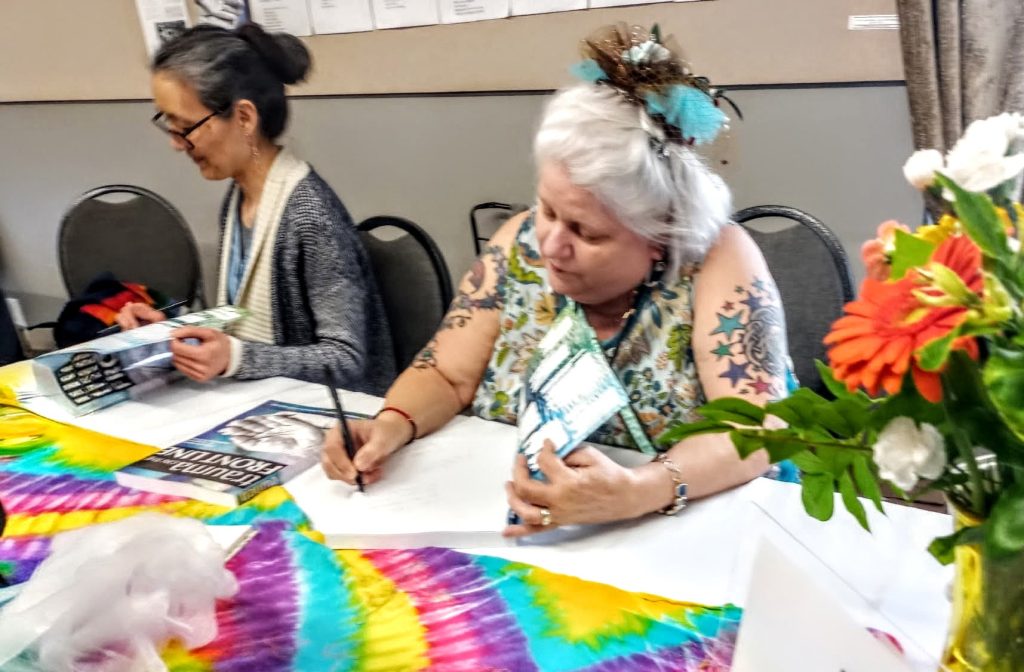
about writing the book with Susan

Specialisations
Client transformation examples
Clear definition of who you help
Specific problems you solve
Your unique approach
Success patterns you’ve observed
Personal Touch
Share appropriate details that:
- Make you relatable
- Show you’re human
- Create connection points
- Demonstrate understanding
- Build trust
Example elements:
- Love of nature/hiking
- Mindfulness practice
- Work-life balance approach
- Personal growth journey
- Professional values

Your second and third sentences should talk about your tactile and philosophical approach to reaching those goals.
Any work you do outside of the clinical—like speaking engagements or workshops—should be included in a separate paragraph to reinforce a clear distinction from in-session work.
Keep it concise
All of this said, you should keep your website therapist bio to no longer than three sentences.
Resist the urge to recreate your entire resume or CV on your website.
At the very end, don’t be afraid to add a call-to-action sentence for your website visitors. This will help prompt them to know more about how to work with you, and can let them know how you prefer to communicate.
Format Tips
- Use headers and subheaders
- Keep paragraphs short (3-4 lines)
- Include bullet points for scanning
- Add professional photo
- Include client testimonials (if permitted)
Writing Style
- Write how you speak
- Use “you” more than “I”
- Share stories and examples
- Be warm and professional
- Show personality while maintaining boundaries
Key Phrases to Include
- “I understand…”
- “Together, we can…”
- “My approach helps you…”
- “What makes me different is…”
- “I believe that…”
Section 4: Call to Action
End with Clear Next Steps
- End with a very specific ‘call to action’ – just one
- Many people end with contact me! subscribe! follow me on insta!
- We can have more than one, but one should really be the primary goal
- For example: Want to work with me? Click here to book a free consultation
Writing Template
[Opening Hook - Client Pain Point]
[Understanding Statement]
[Your Why/Story]
[Professional Credentials - As Benefits]
[Specialisation & Approach]
[Personal Touch]
[Client Transformation Example or Testimonial]
[Call to Action]